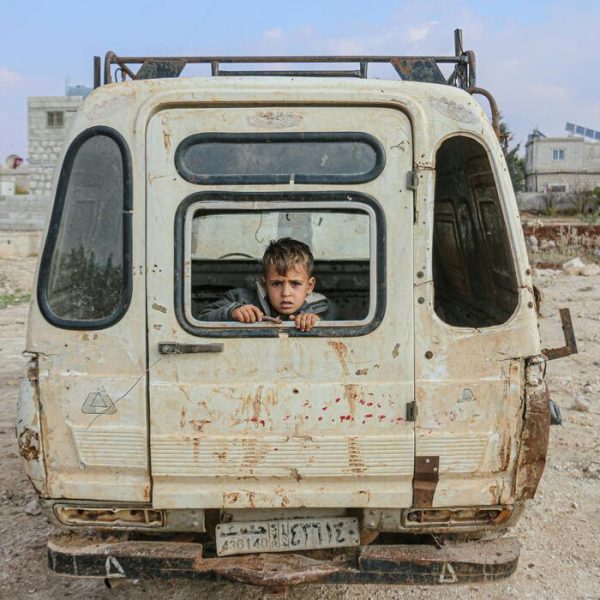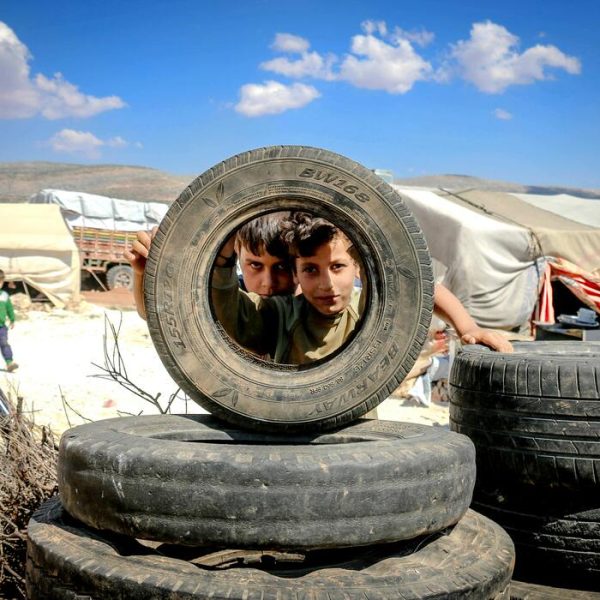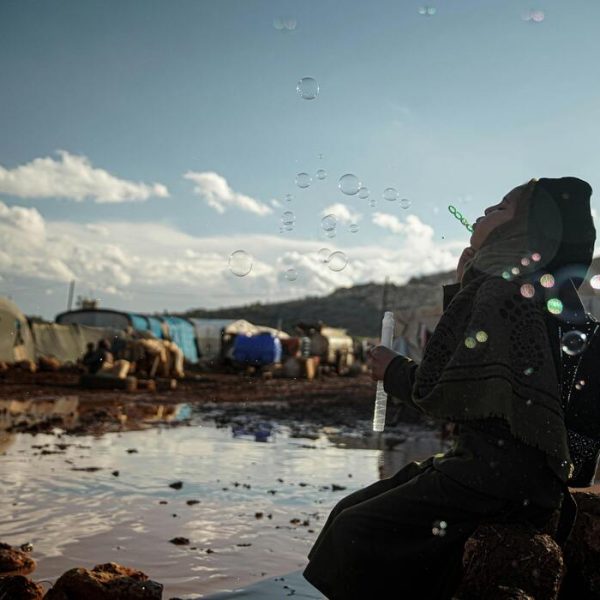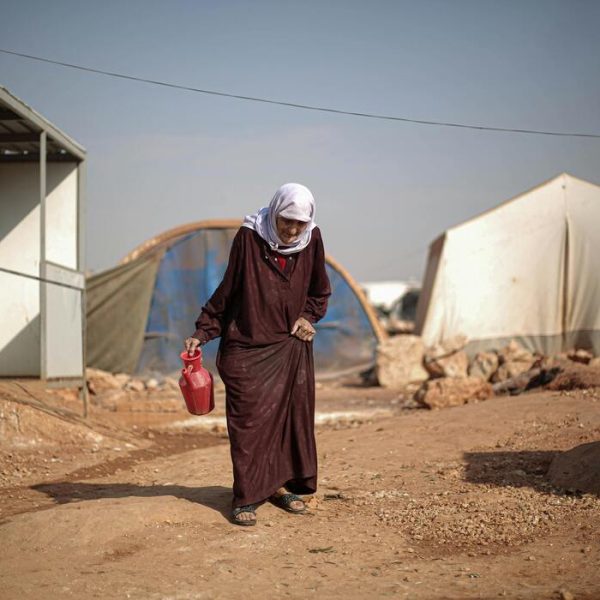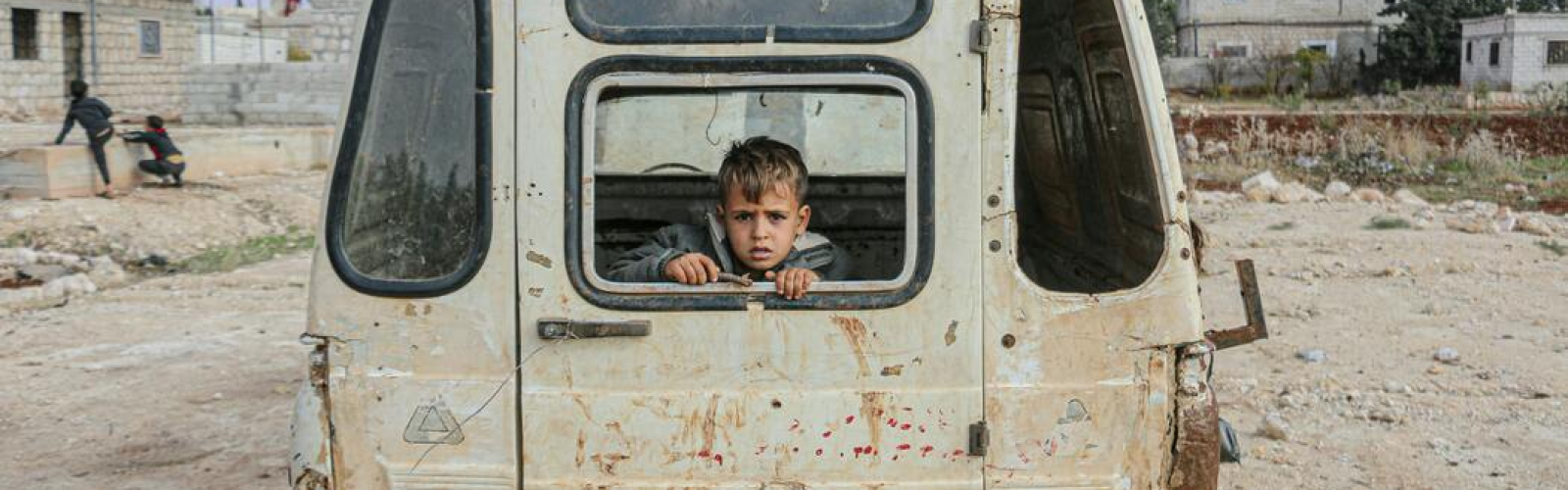

Around the world, people forced to flee war, disaster, or persecution face the same painful reality: they leave with their lives, but often lose the daily touchstones of their identity—language, stories, music, recipes, and rituals. Displacement fragments communities and interrupts the natural passing of traditions from one generation to another. Yet the very technologies reshaping our economies and workplaces can also serve as powerful allies for cultural survival, especially when refugees and diaspora communities are in the driver’s seat of how those tools are used.
From highlife to afrobeats, ghana music continues to win fans across the globe.
Modern intelligent platforms that are often described as the best AI tools for business can also help communities document their heritage, amplify their voices, and build new livelihoods while staying connected to their roots. When applied thoughtfully, these systems can turn smartphones into portable cultural archives and transform scattered memories into living, shareable knowledge.
9 Ways Modern AI Tools Can Empower Refugee Communities to Preserve Culture
1. Creating Living Digital Archives of Stories and Memories
Oral storytelling is central to many cultures, but war, migration, and trauma can disrupt the chain of transmission between elders and youth. Intelligent transcription and translation tools can help families and community groups record conversations, interviews, and memories in multiple formats. A simple audio recording of a grandparent’s story can be transcribed, translated, summarized, and shared as text, video subtitles, or even illustrated storybooks.
Community centers, NGOs, or local initiatives can organize “story circles” where refugees record testimonies in their native language and use automated tools to structure them into thematic collections—folktales, songs, migration histories, local customs, and more. Over time, these archives become searchable digital libraries that younger generations can revisit and build upon.
2. Protecting Endangered Languages with Smart Translation and Learning Tools
Many displaced communities speak languages or dialects that are rarely written down and almost never featured in mainstream apps. Intelligent translation and language-learning systems can help generate bilingual glossaries, phrasebooks, and basic grammar guides, even when starting from a small set of recorded examples and community knowledge.
Youth in camps or in the diaspora can use chat-based tutors to practice reading and writing in both their heritage language and the official language of their new host country. When done collaboratively, this not only supports integration and education but also helps formalize and preserve vocabulary that might otherwise disappear within a generation or two.
3. Curating Cultural Content for Global Visibility
Refugee artists, musicians, writers, and artisans often struggle to be seen beyond their immediate circles. Intelligent content tools can help them organize, tag, and describe their work in ways that increase visibility on the web and social platforms. Automatically generated captions, descriptions, and multilingual metadata can make cultural content more discoverable for educators, researchers, and interested audiences worldwide.
For example, a traditional musician can upload recordings and receive suggestions for titles, genre tags, and short descriptions in several languages, making it easier to reach fans, festival organizers, and collaborators. In this way, what might have stayed local becomes part of a global cultural conversation without losing its identity.
4. Designing Education Materials Rooted in Heritage
Refugee children often learn from curricula that barely reflect their own histories or values. Intelligent curriculum and content-generation tools can help teachers, NGOs, and parents adapt lesson plans to include folktales, historical figures, and local knowledge from the students’ cultures. Worksheets, reading passages, and quizzes can be generated using traditional stories, proverbs, and customs as examples.
This approach connects academic learning with cultural pride. Math problems can reference familiar foods or markets; language exercises can use sayings from elders; history lessons can include perspectives from the community’s homeland. As a result, children see their cultural background not as something left behind, but as a living asset in their new environment.
5. Supporting Cultural Entrepreneurship and Fair Income
Many refugees possess skills in crafts, cooking, music, and storytelling that could support micro-businesses if they had the right tools. Intelligent systems designed for marketing, translation, and process optimization can help artisans and small collectives present their work professionally, manage inventory, communicate with customers, and reach new markets online.
A group of weavers, for instance, can get support crafting product descriptions that explain the cultural significance of patterns, colors, and techniques. Recipes passed down through generations can be turned into digital cookbooks, online classes, or catering ventures. When cultural knowledge becomes a source of dignified income—on fair terms defined by the community—it becomes more sustainable to preserve and pass down.
6. Reconstructing Lost Places and Rituals in Digital Spaces
For those who can never safely return home, memories of neighborhoods, shrines, festivals, or landscapes can feel painfully distant. Visual and generative tools can assist communities in recreating important spaces through digital maps, 3D models, and virtual tours built from photos, drawings, and shared recollections.
Families might collaborate to rebuild a digital version of a village square, complete with markets, places of worship, and community centers, adding details crowd-sourced from those who remember. Even simple photo collages supported by smart organization tools can help reconstruct what once was, providing a space for commemoration, education, and intergenerational dialogue.
7. Preserving Music, Dance, and Performance Traditions
Songs, dances, and performances are among the most vulnerable cultural elements to displacement, yet they are also powerful tools for healing and cohesion. Intelligent audio and video tools can capture performances, clean up sound, suggest structure for playlists, and generate subtitles or translations of lyrics and spoken word.
Refugee-led cultural groups can build digital “schools” where performances are recorded, cataloged, and shared with instructions and step-by-step breakdowns. Younger members can learn choreography or instrument techniques remotely, even when separated from traditional masters. Over time, these digital catalogs can serve as foundations for future in-person festivals and cultural exchanges.
8. Facilitating Cross-Community Dialogue and Collaboration
In many countries, refugees come from diverse origins and speak multiple languages. Intelligent communication tools can help people translate messages, summarize group discussions, and bridge language gaps during community meetings. This is especially helpful when planning joint cultural events, negotiating access to shared spaces, or co-creating initiatives with host communities.
By lowering language barriers, communities can co-design festivals, art projects, and storytelling nights that honor multiple traditions at once. This not only preserves each culture but also encourages mutual respect and new hybrid forms of expression born from collaboration rather than assimilation.
9. Giving Refugees More Control Over Their Cultural Narrative
Too often, displaced communities are spoken about rather than listened to. Intelligent media and writing tools can help refugees craft their own narratives—articles, blogs, campaign messages, or social media content—while maintaining authenticity and accuracy. Drafting assistance, fact-checking support, and multilingual publishing make it easier for individuals to respond to stereotypes and share nuanced perspectives.
NGOs and advocacy organizations can collaborate with refugee storytellers to produce materials that respect cultural nuance, credit sources appropriately, and obtain informed consent for every use of personal and community stories. In this way, advanced tools become instruments for self-representation, not just data extraction.
Balancing Opportunity with Responsibility
While modern tools offer powerful ways to document and share culture, they also raise important questions about privacy, consent, and ownership. Refugee communities should be supported in making informed choices about what to record, where to store it, and who can access it. Sensitive information tied to trauma, political persecution, or personal safety should be handled with extreme care.
The most promising initiatives are those where communities themselves lead the design and governance of cultural projects. When technologists, NGOs, and local leaders work together to align tools with community values, these systems can help turn displacement from a story of loss into one of resilient continuity—ensuring that languages, traditions, and memories not only survive but evolve and flourish in new places.