In the years after 1975, more than a million people left Vietnam in small, overcrowded boats, gambling everything on the open sea. History remembers them as the Vietnamese boat people, and their story is one of the largest refugee movements of the twentieth century. To understand who they were and why so many risked drowning, piracy and years in distant camps, you have to start with the moment the war ended.
This is a short, factual account of that exodus, the dangers it involved, and how it reshaped communities from London to California.
The fall of Saigon and the first wave
When Saigon fell to northern forces in April 1975, the long war between North and South Vietnam came to an abrupt end. The event known as the fall of Saigon triggered an immediate scramble to leave, as many who had worked with the former southern government or with the Americans feared reprisals. That first wave, airlifted or evacuated by ship, was relatively organised. The larger and far more dangerous movement came later, and it went by boat.
Why people fled
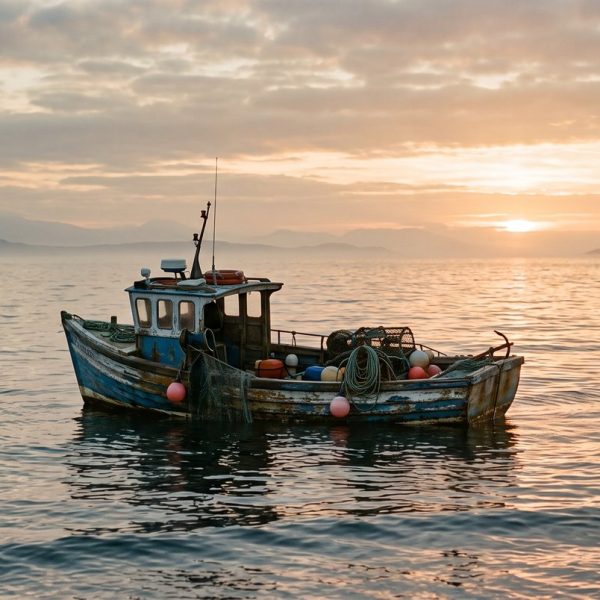
The reasons were varied and rarely simple. After reunification, the new government sent hundreds of thousands to re-education camps, collectivised farms and businesses, and treated the ethnic Chinese minority with growing suspicion. Economic hardship deepened, and by the late 1970s a border conflict with China added further pressure. For many families, staying felt more dangerous than leaving. So they sold what they could, paid smugglers in gold, and slipped out at night in fishing boats never built for the open sea.
The danger of the crossing
The journeys were brutal. Boats meant for a dozen people carried fifty or more. Engines failed, water and food ran out, and storms swallowed vessels whole. In the Gulf of Thailand and the South China Sea, pirates preyed on the refugees, robbing, assaulting and abducting people who had no way to defend themselves. Estimates of how many died at sea vary widely, but researchers believe hundreds of thousands never reached land. Those who survived often owed their lives to passing merchant ships or to fishermen who pulled them from the water.
Life in the refugee camps
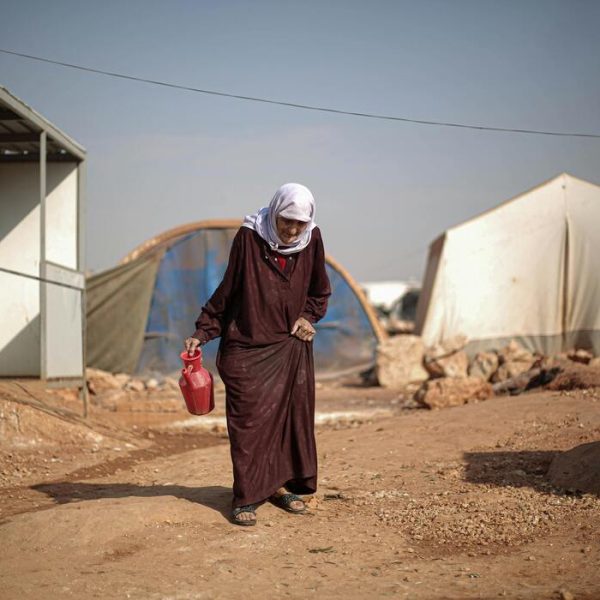
Survivors who made it ashore in Malaysia, Thailand, Hong Kong, Indonesia or the Philippines rarely stepped straight into a new life. They entered a holding pattern that could last months or years. If you have ever asked what is a refugee camp in practice, these sites were the answer: fenced compounds, often overcrowded, where people waited for a country to accept them. Some camps became small towns of their own, with makeshift schools and markets, while families filled out paperwork and hoped for resettlement interviews that might never come.
A global response
The scale of the crisis eventually forced an international answer. In 1979, dozens of nations met in Geneva and agreed to sharply increase resettlement places. The United States took the largest share, followed by countries including Canada, Australia, France and the United Kingdom. Over two decades, more than two million Indochinese refugees were resettled, and the boat people became one of the defining humanitarian efforts of the era. It was far from smooth, and many spent years in limbo, but the response set precedents for how the world handles mass displacement today.
The community in Britain
The United Kingdom accepted around twenty thousand Vietnamese refugees, many of them ethnic Chinese, who were dispersed to towns and cities across the country in the early 1980s. Some settled in East London, where later generations built businesses, community centres and a lasting cultural presence. The early years were hard, marked by language barriers, unemployment and isolation, yet the community endured and grew. Today its story is woven into the broader history of migration to Britain.
Words that carry weight
How we describe people who move under duress shapes how we treat them. A person fleeing persecution by boat is not the same as someone relocating for work, and the labels we reach for carry real legal and moral weight, as this look at the difference between migrant vs immigrant makes clear. For the boat people, the correct word was refugee, and it mattered, because it carried a right to protection that a lesser term would not.
Why the Vietnamese boat people still matter
Decades on, the Vietnamese boat people are remembered not only for what they escaped but for what they built afterward. Their children and grandchildren now run businesses, teach, heal and lead in the countries that took them in. When resettlement paperwork crossed borders and languages, accurate translation was often the quiet difference between acceptance and rejection, a challenge the specialists at PoliLingua examine in their guide to official immigration document translation. Their legacy is a reminder of what ordinary people will risk for safety, and of what a coordinated response can achieve. For fuller accounts, see the overviews of the Vietnamese boat people and the fall of Saigon.